In this Masternose episode, the chypre olfactory family takes centre stage — one of the oldest and most complex in perfumery. Between historical heritage, recognisable structure and contemporary interpretations, here is what you need to know to better understand it.
The origins of the chypre
The history of the chypre family stretches back several centuries. Some trace it to the birds of prey from Cyprus cited in medieval literature; others anchor it in a more concrete practice — the island of Cyprus was renowned for its oak moss-scented gloves. Chypre powders were already in circulation as early as the 1840s.
The family was officially founded in 1917 with Chypre by Coty — a fragrance that lent its name to an entire olfactory structure. In the early 1970s, Coriandre by Jean Couturier — a rose chypre — opened a new direction that Mark Buxton considers influential to this day.
The chypre structure: bergamot, floral, patchouli and moss
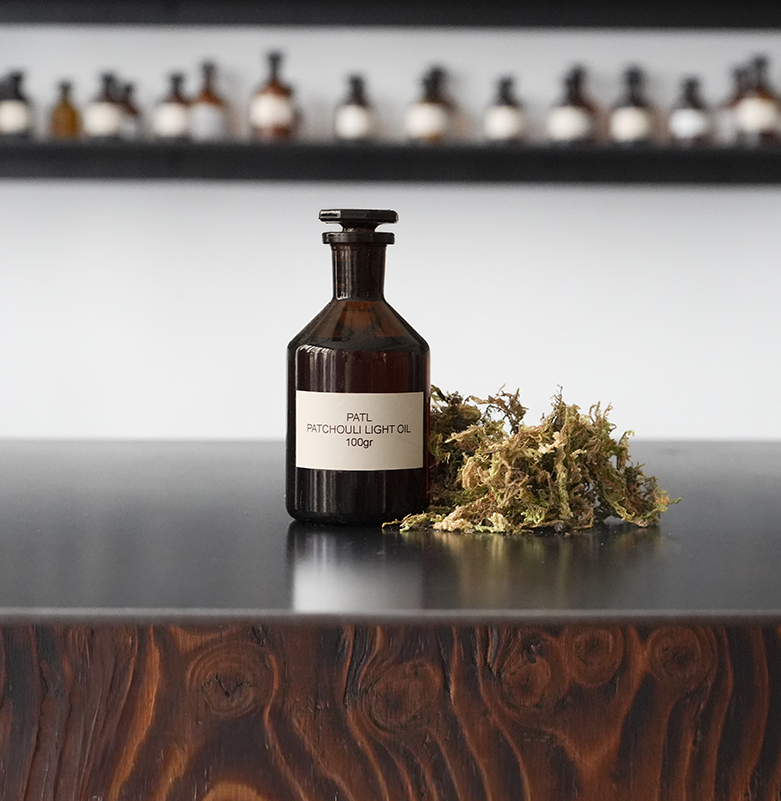
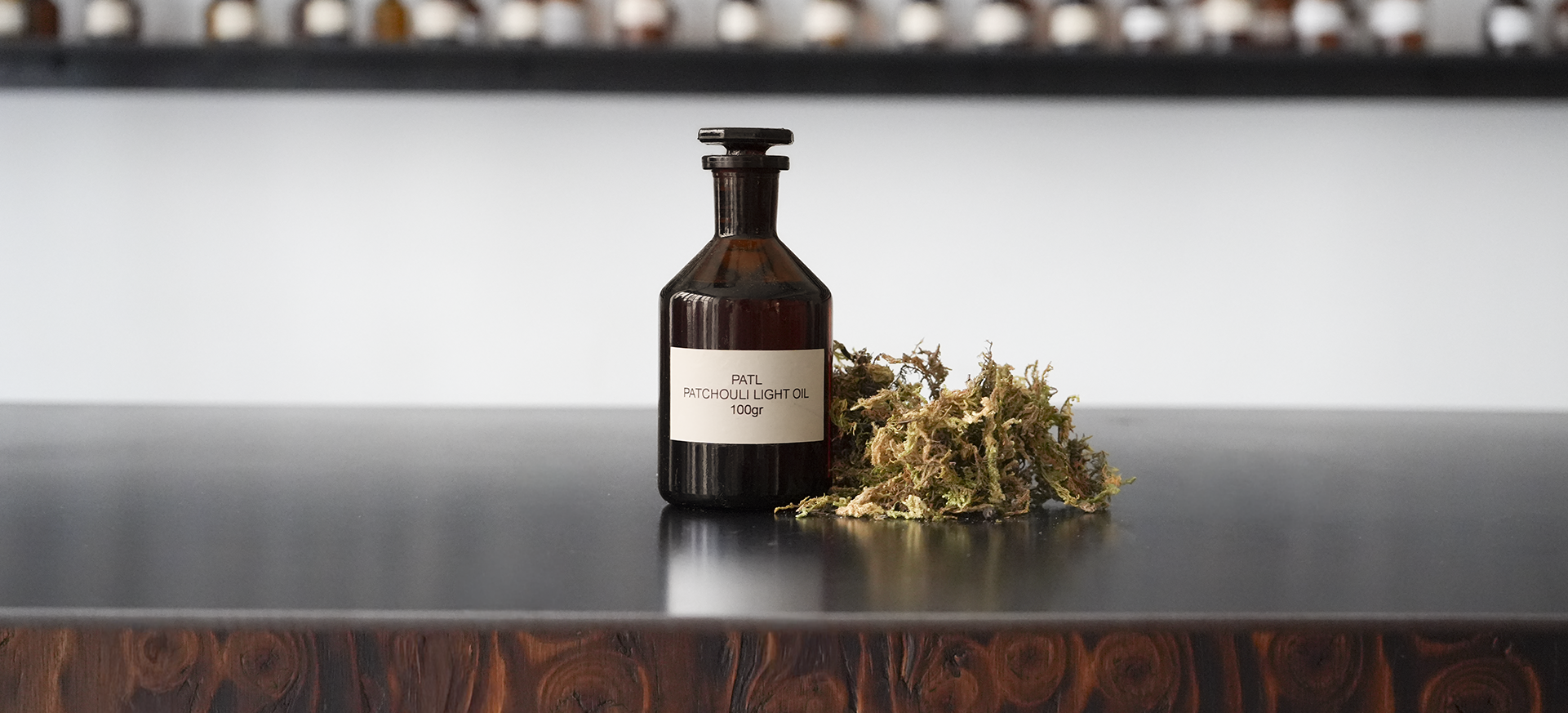
At Nose, the chypre family is defined by three levels: citrus top notes — bergamot first and foremost — a floral heart built around rose or jasmine, and a base constructed on patchouli and/or oak moss. It is this dry, vegetal base that gives chypres their distinctive character.
Not to be confused with the oriental or amber family, which also uses patchouli — but paired with a high concentration of vanilla, absent from chypres. Patchouli alone does not make an oriental.
Iconic chypres from the Nose selection
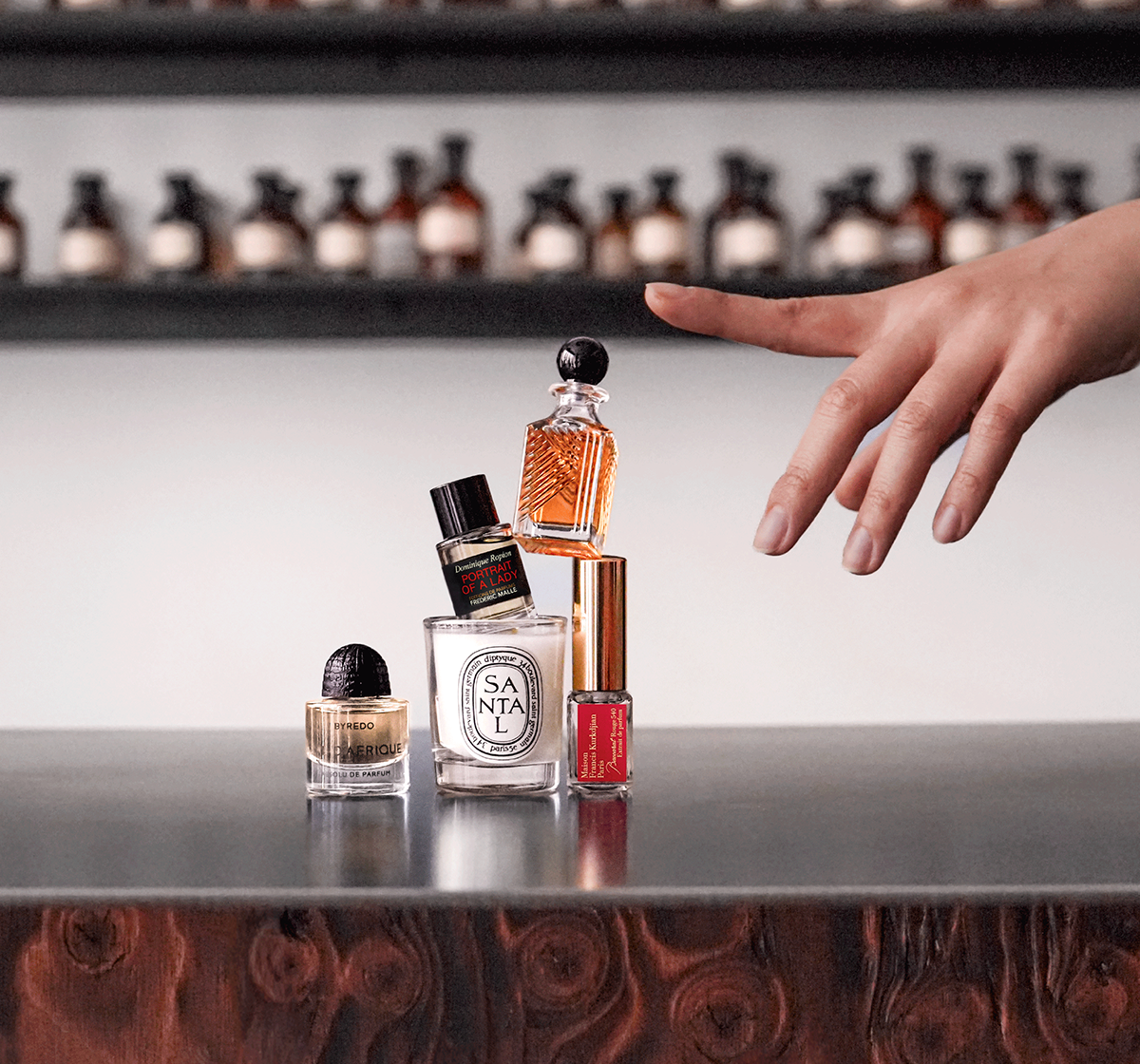
The Nose selection covers several expressions of the chypre. Portrait of a Lady embodies the rose chypre — with a raspberry note. Corallium and Delina bring a marine dimension. Monsieur and Bowmakers represent a more masculine profile. And 2 de Comme des Garçons explores the aldehydic and metallic chypre, in a resolutely unisex register.
Watch this new Masternose episode and discover our selection of chypre fragrances below.