By nightfall, the city takes on a quieter, more intimate rhythm. It might be a party on the Île Saint-Louis, or an evening at home overlooking the Canal Saint-Martin, with the water catching the glow of the Parisian streetlamps. French indie music drifts through a Haussmann apartment of high ceilings, fireplaces and scattered candles. In the soft glow of candlelight and dimmed chandeliers, everything feels more intimate.
Inevitably, the conversation turns to skin scents. “Every time I’m out in the evening meeting new people, I get asked the same thing: ‘Can you smell my perfume?’” says Nicolas Cloutier, CEO and beauty curator of Nose Paris. He can always catch a first impression, though it is often the scent of the hair that comes through first, obscuring the fragrance nestled against the skin. To get to the true skin scent, hidden at the nape of the neck, he often has to ask them to lift their hair aside.
Skin scents are gentle and meant to be discovered rather than announced. They invite a closer interaction, when someone leans in and asks, “Can you smell my perfume?" These fragrances highlight individuality; not by chance, some are called “fragrance enhancers,” designed to be worn alone or layered with others to amplify diffusion, texture, and radiance. There is a poetry of subtle traces from a day lived: the morning shower, the body cream, a cotton shirt, soap bubbles, and, finally, the scent of fresh bed linen. Nose Paris celebrates these fleeting, intimate moments with its curated selection of five skin scent fragrances.
Not A Perfume Juliette Has A Gun
When Romano first introduced Not a Perfume at its launch, we could hardly smell anything at the beginning. He simply said, “Wait.” And then, as it settled on the skin, subtle accords of musk and Cetalox — a molecular note reminiscent of ambergris — slowly emerged. It is a minimalist composition built around just two notes.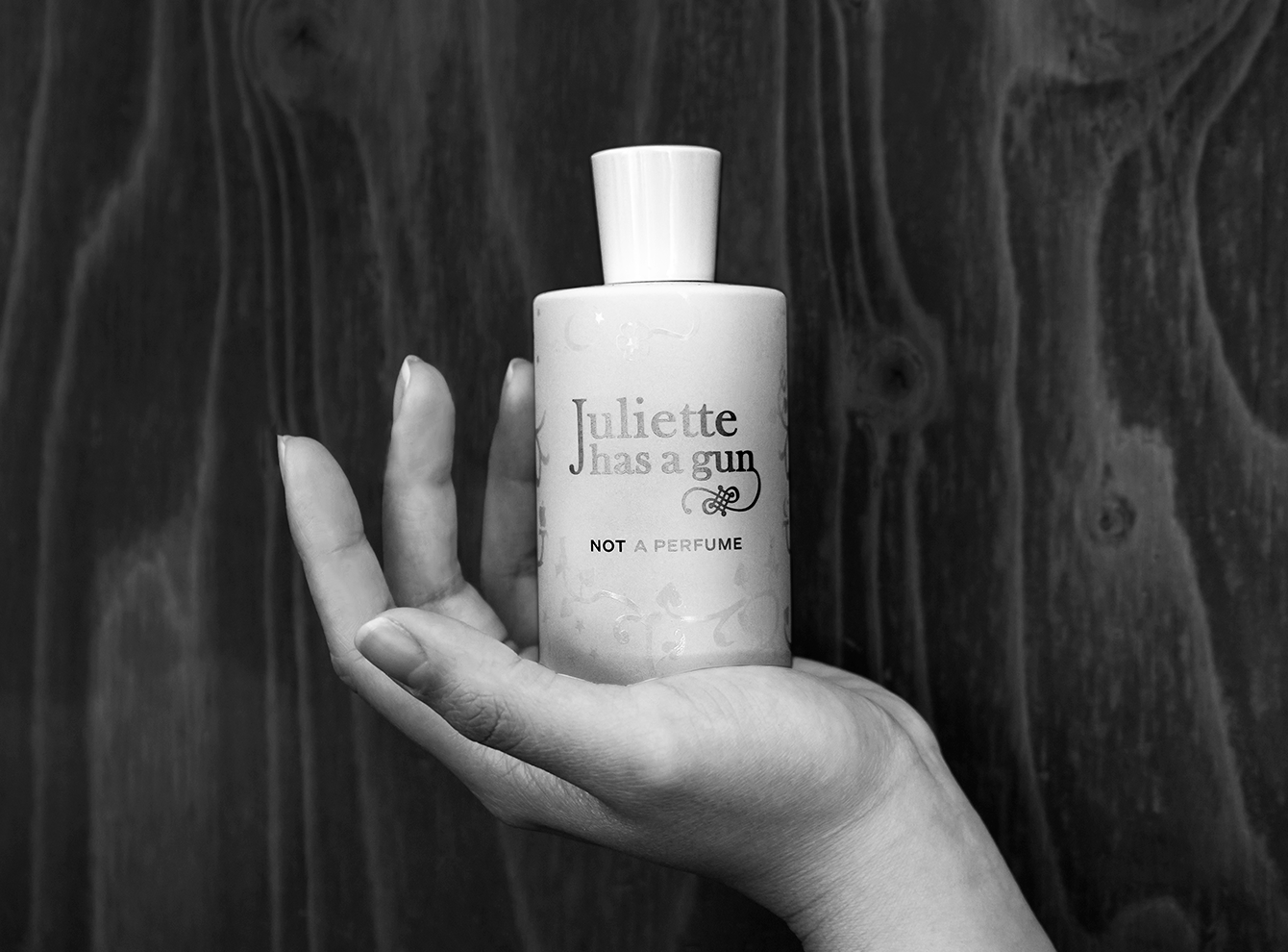
The base note in the spotlight: an ode to Cetalox
Usually used as supporting materials in perfumery, here they are given a leading role. The result is clean, pure, and unexpected — both minimalist and elegantly abstract. It adapts to the skin, enhancing your natural scent; it works perfectly on its own, but also layers beautifully with other perfumes, creating a new, authentic combination.
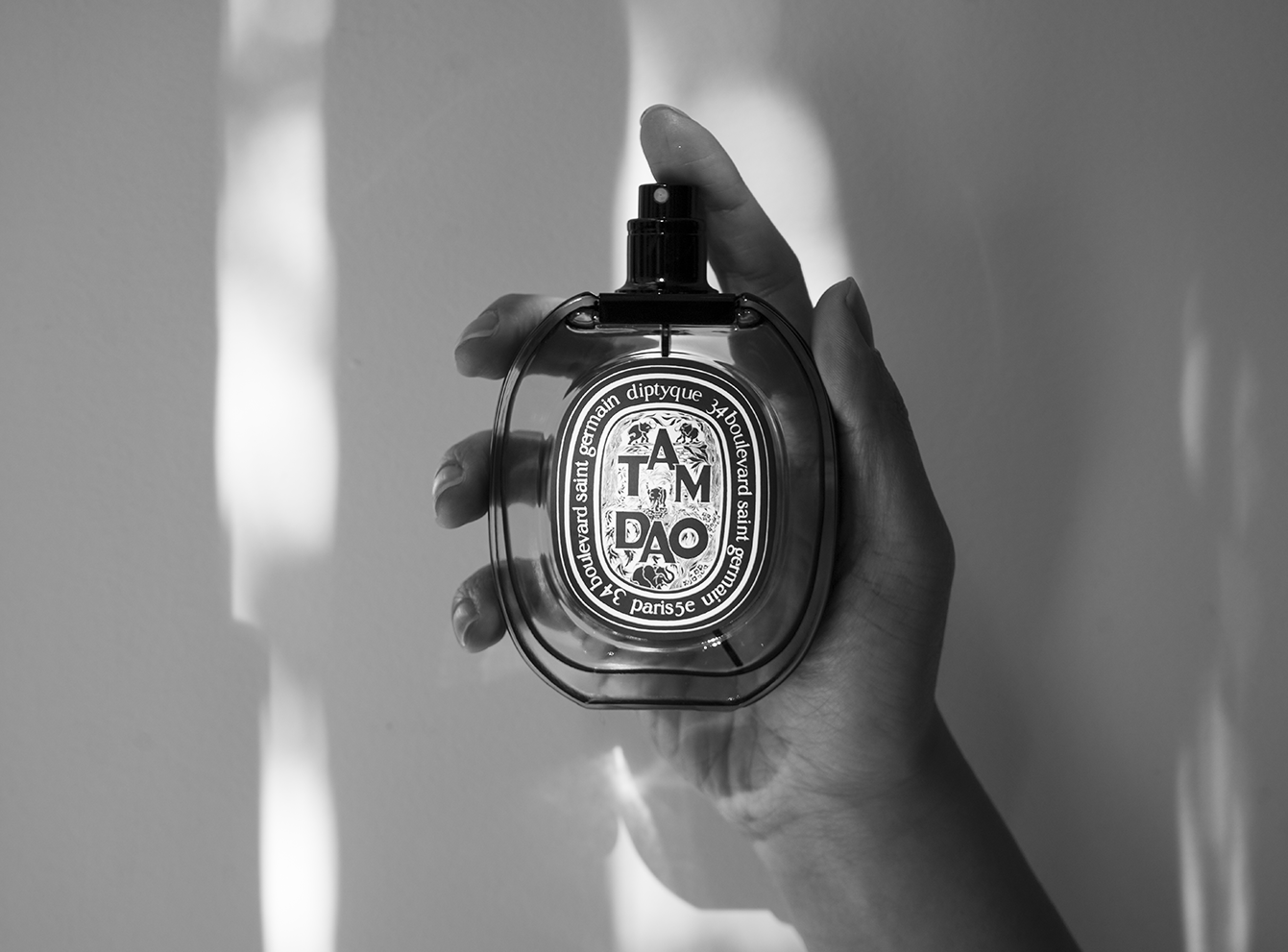
Tam Dao Eau de Toilette Diptyque
Whispers of the sacred forests
It was his brother’s girlfriend’s perfume, and later it became his own, Nicolas says. Genderless, woody, and spicy, with a delicate accord of rose, sandalwood, oakmoss, and a hint of cardamom in the top notes, it became their shared signature — something deeply personal to them.
Rooted in Yves Coueslant’s childhood impressions of Indochina, Tam Dao revolves around Mysore sandalwood, cooled and refined by cypress and cedarwood. This fragrance is truly unique in the way it treats sandalwood as its central accord, instantly evoking images of wild forests, wooden beams, and dusty air illuminated by sunbeams in an ancient temple. On the skin, it feels dry, soft, diffused, and meditative.

I Don't Know What D.S. & DURGA
Halo of soft musks, invisible and evanescent
David Moltz, co-founder of D.S. & Durga and a perfumer often associated with bolder, more intense compositions, takes a different approach here. With I Don’t Know What, he is not attempting to evoke a specific place, setting, or narrative in the traditional sense, but rather to capture that elusive “je ne sais quoi.”
It feels like a fragrance meant to be discovered in the hollow of the neck — intimate, almost imperceptible at first. Built around Iso E Super, and lifted by an airy accord of jasmine and hedione, it reveals a subtle, transparent woody structure, where cedar and sandalwood are combined with ambroxan. In the context of the other skin scents mentioned before, it introduces an entirely different dimension.
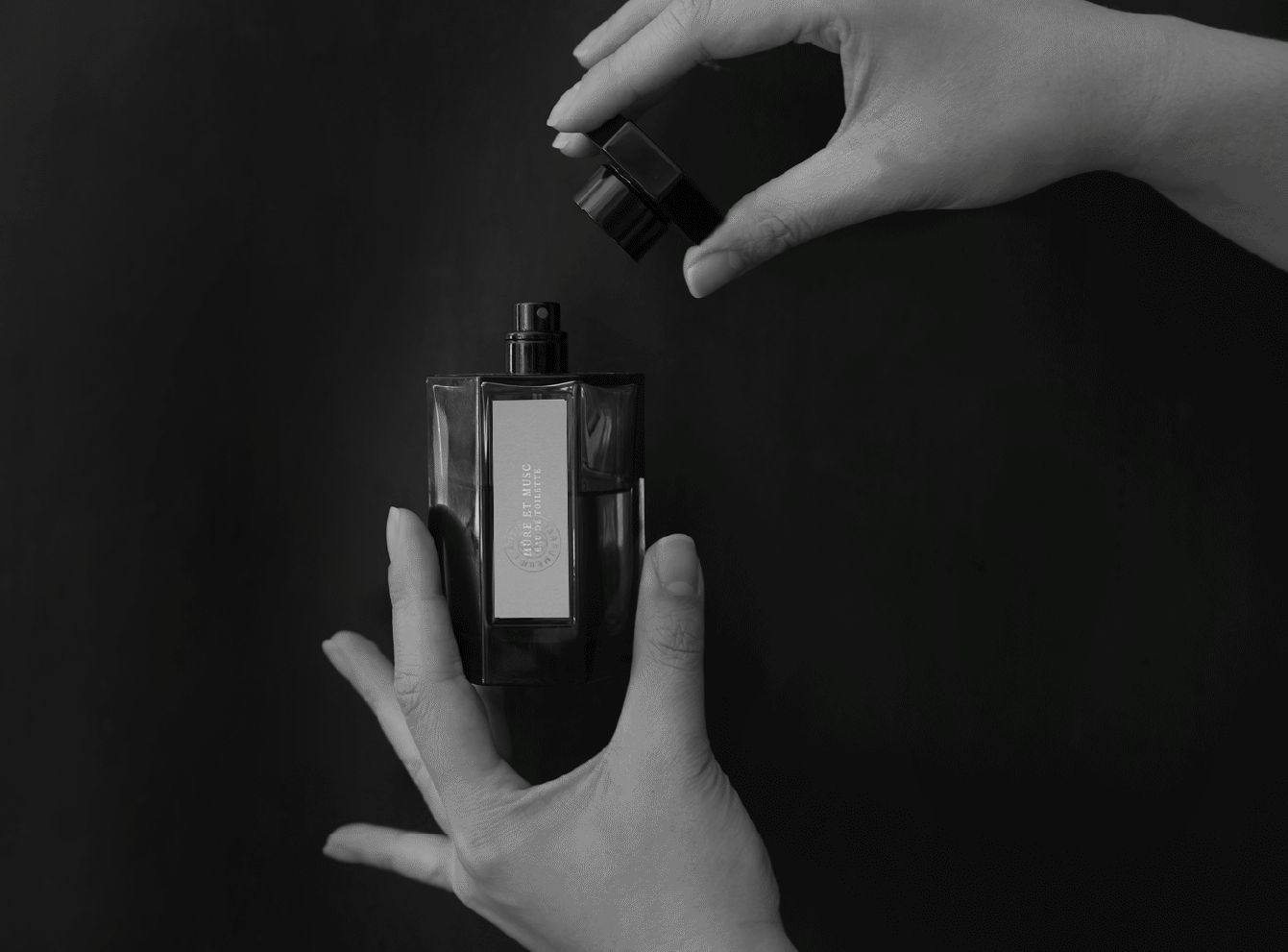
Mûre & Musc Extrême L'Artisan Parfumeur
Sun-warmed skin and veil of forest berries
Citrus, musky, and woody — with a soft diffusion and the delicate presence of forest plants. It is an interpretation of a composition originally created by founder Jean Laporte, later refined by Karine Dubreuil-Sereni, while remaining very much a parfum de peau. The story begins in 1977, when Laporte developed a musk accord with a subtle blackberry nuance — an unconventional, even revolutionary idea at the time. It became one of the first fragrances to explore the softness of musk with minimal ornamentation.
The Extrême version is a burst of fruits on the skin: blackcurrant bud, deep and green, softened by raspberry and blackberry. The fragrance feels alive — sunlit, fluid, and diffused, almost transparent in its movement. White musk settles on the skin, dissolving into a weightless veil, leaving a soft, shimmering sillage.
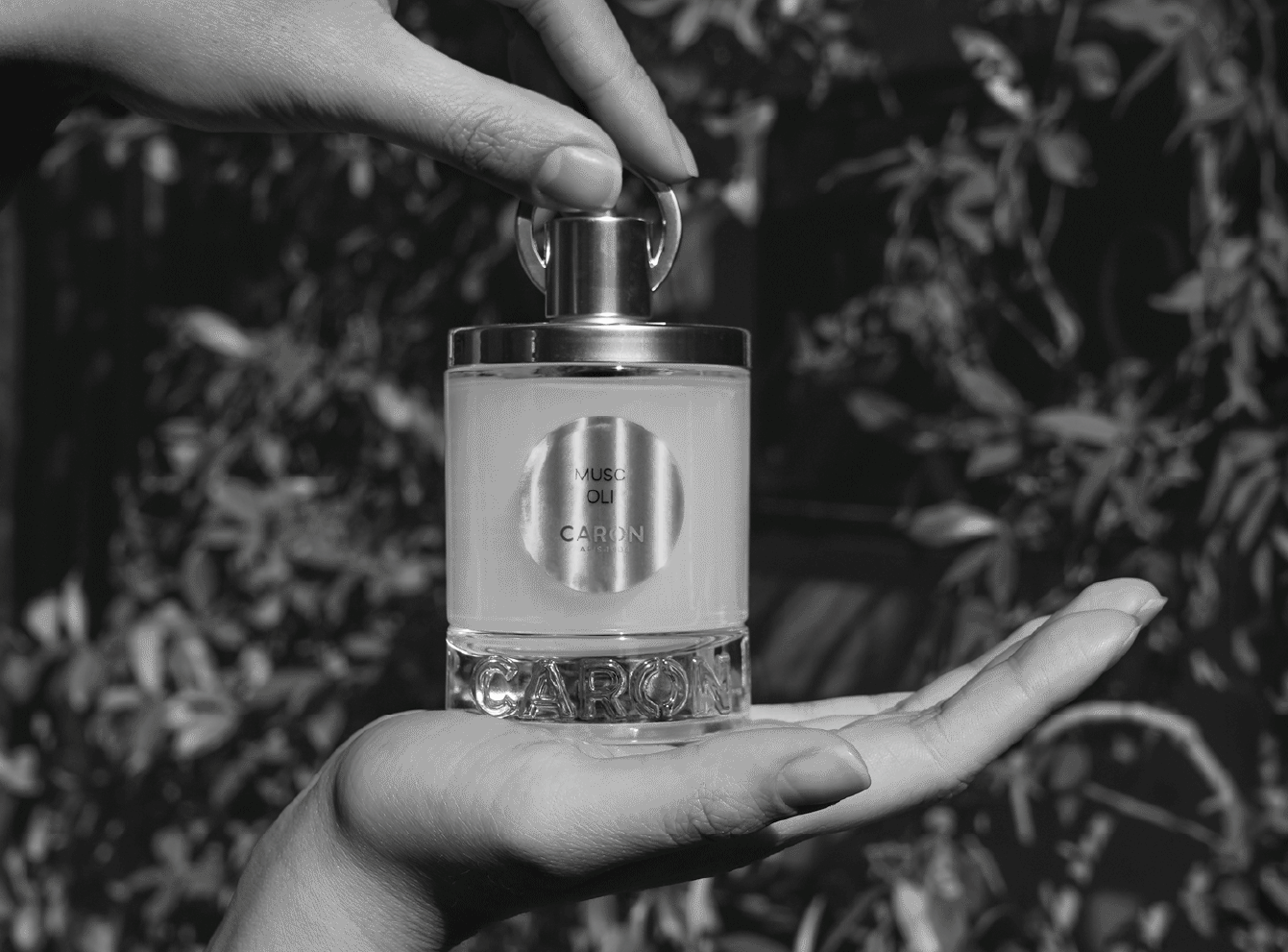
Musc Oli Caron
A weightless touch of iridescent powder
We’re used to Caron’s powerful, historically rich compositions, which makes this one feel like a quiet surprise. While the house has long explored powdery accords, Musc Oli takes a different direction — a skin-centered interpretation, soft, lactonic, and distinctly modern, shaped by ambroxan and airy musks.
Caron describes the fragrance as one first imagined by Jean Jacques for Olivia de Rothschild, daughter of Ariane de Rothschild, who now leads the house. If there’s one word for this scent, it’s harmony — a seamless balance of freshness, and intensity, of citrus, floral, woody, creamy, and musky nuances. It’s an almost tangible sensation: a soft, powdery caress on the skin.