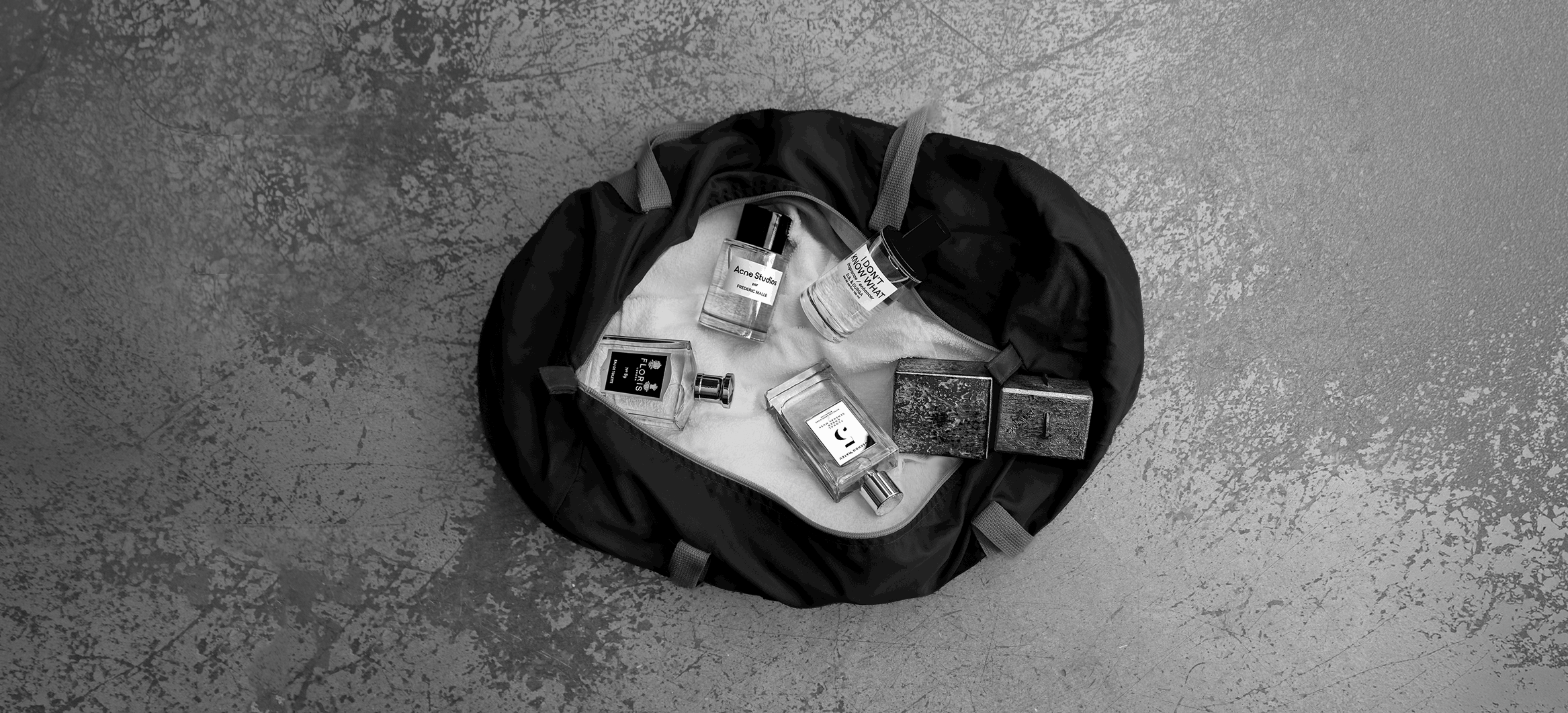
Five countries that are illsutrated with few niche houses. Five different ways of thinking about what perfumery is for — this is what Nose carries and why.
A Map of Niche Perfumery, Drawn by Nose
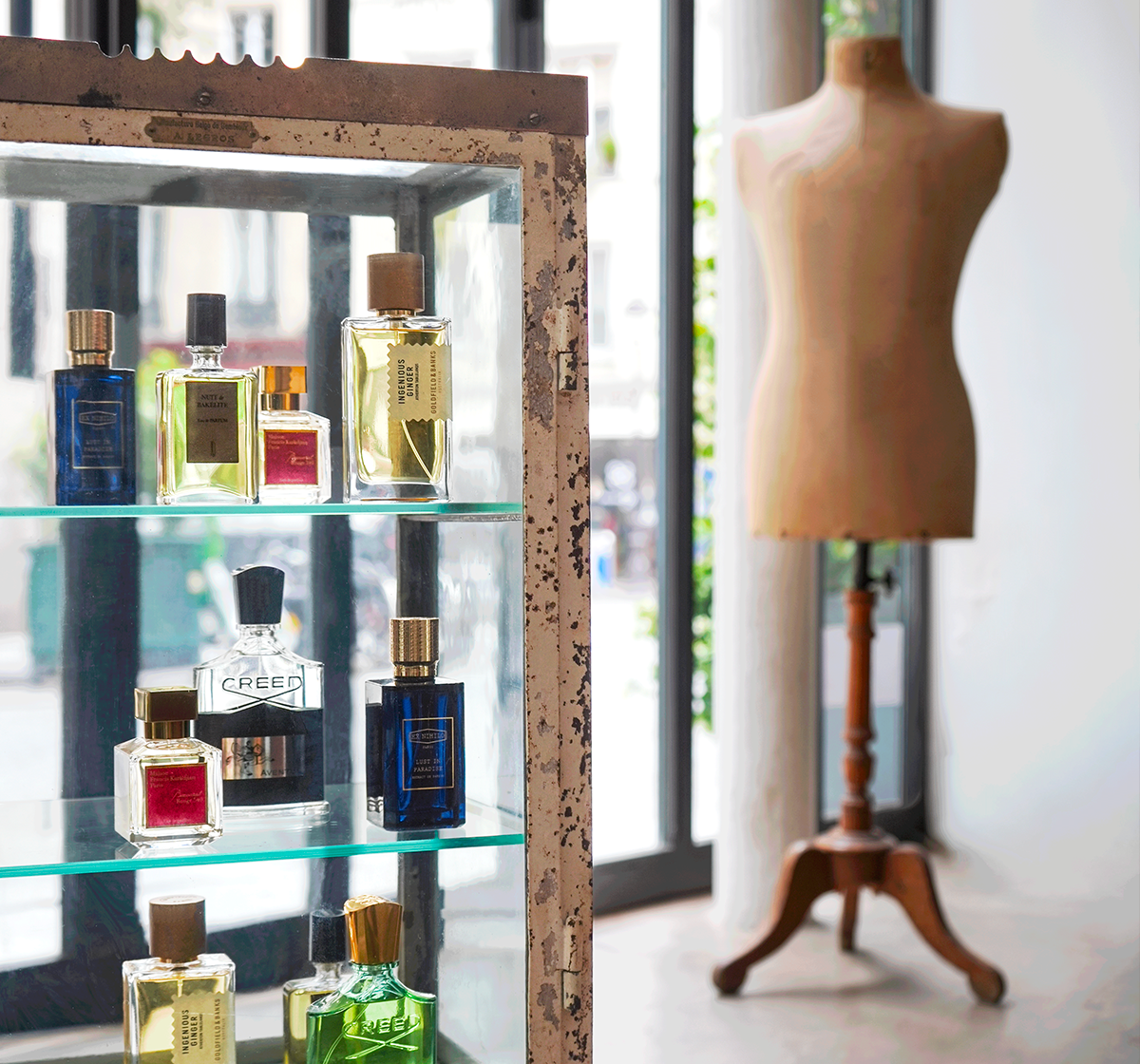
Nose Paris carries brands from across the world. Not because they share an aesthetic, a geography, or a moment — but because each one represents a genuinely distinct way of thinking about what perfumery can be.
This article is not a ranking. It's a declaration of what we stand behind. Five countries, five houses that Nose has chosen to carry and champion — each one reflecting a different approach to creation, a different relationship between the maker and the bottle, a different answer to the question of why fragrance matters.
The World Cup offers a convenient moment to notice something that's true year-round: niche perfumery has no single centre of gravity. A Brooklyn apartment, a Parisian publishing house, a Barcelona atelier, a 300-year-old shop on Jermyn Street, a liturgical vestment workshop in Italy — these are not interchangeable starting points. They produce genuinely different results.
At Nose, supporting international creation — from established niche houses to emerging voices — is not a positioning. It's what curation actually means. What follows is five examples of why.
USA: D.S. & Durga
Perfumery as Storytelling
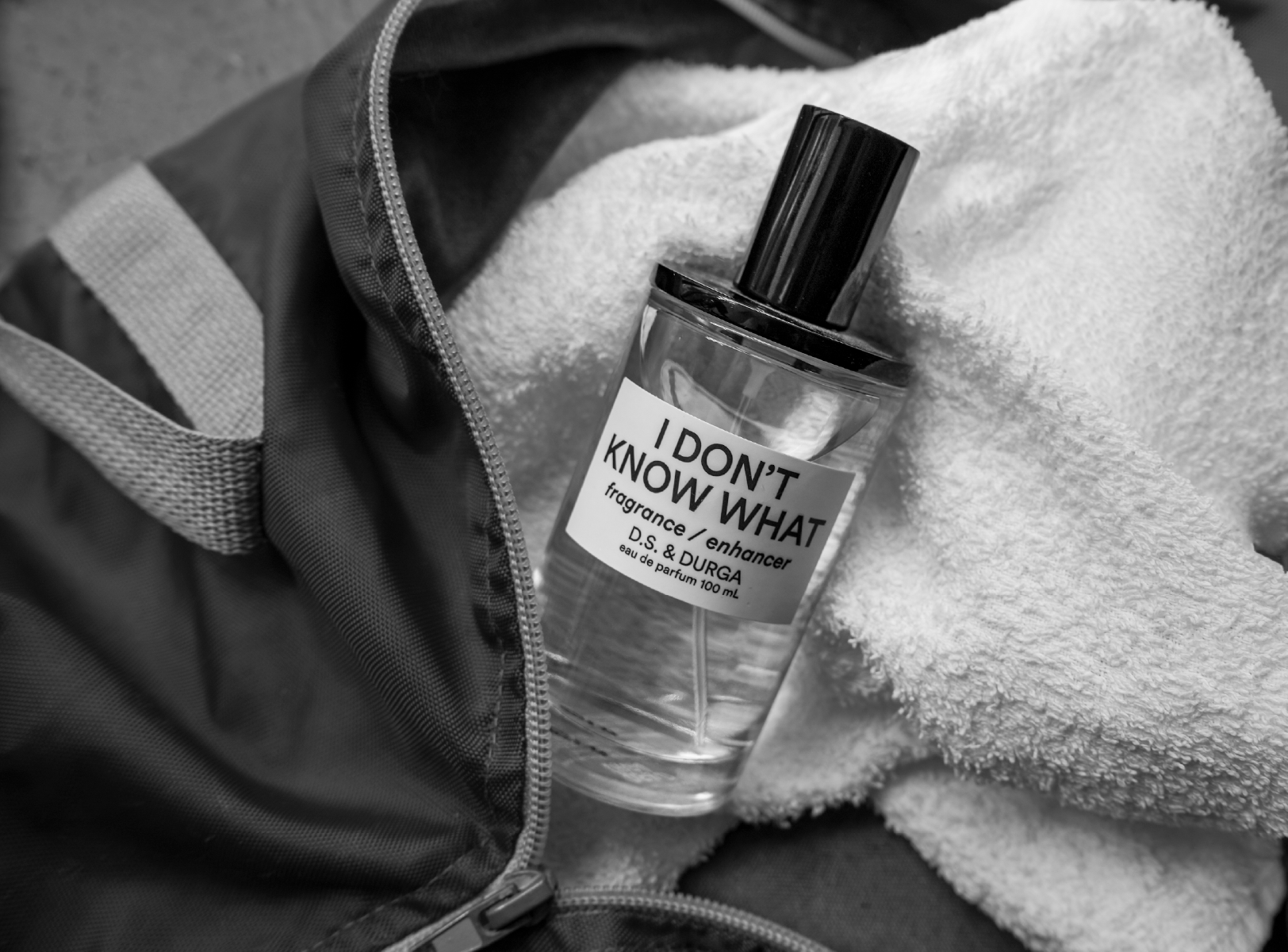
D.S. & Durga was founded in Brooklyn in 2007 by David Seth Moltz — a self-taught perfumer and musician — and his wife Kavi, an architect. The initials in the name are their own: D.S. for David Seth, Durga for Kavi. Their working method hasn't changed since the beginning: each fragrance starts with a story, a place, a folk song, a landscape, a myth.
What distinguishes D.S. & Durga in the current landscape of niche perfumery is that narrative isn't decorative for them — it's structural. The compositions are built to evoke something specific and knowable: a Texas highway at dusk, a jazz record pressed in 1962, the smell of a particular kind of rain. The bottle, the label, the playlist that accompanies each fragrance — all of it is part of the same thing.
Take Bowmakers, for example: inspired by 19th-century New England violin and bow makers in Massachusetts’ Pioneer Valley, it translates maple, walnut and pine forests into varnished woods, rosin and resinous depth.
France: Éditions de Parfums Frédéric Malle
From Signed Works to Saint-Germain Worlds
France is not treated here as heritage, but as authorship.
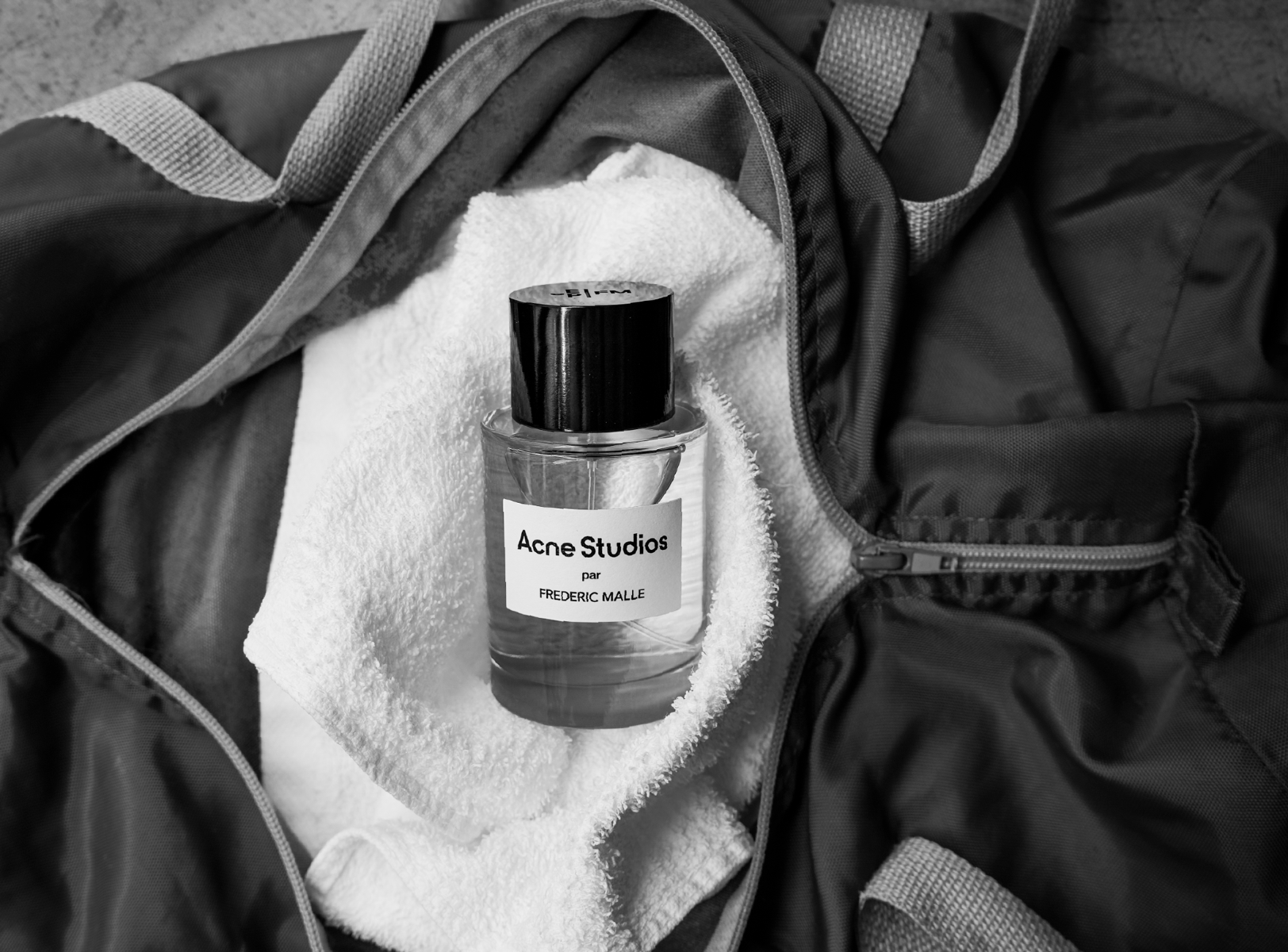
Frédéric Malle founded his Éditions de Parfums in Paris in 2000 with a proposition that was, at the time, genuinely radical: put the perfumer's name on the bottle.
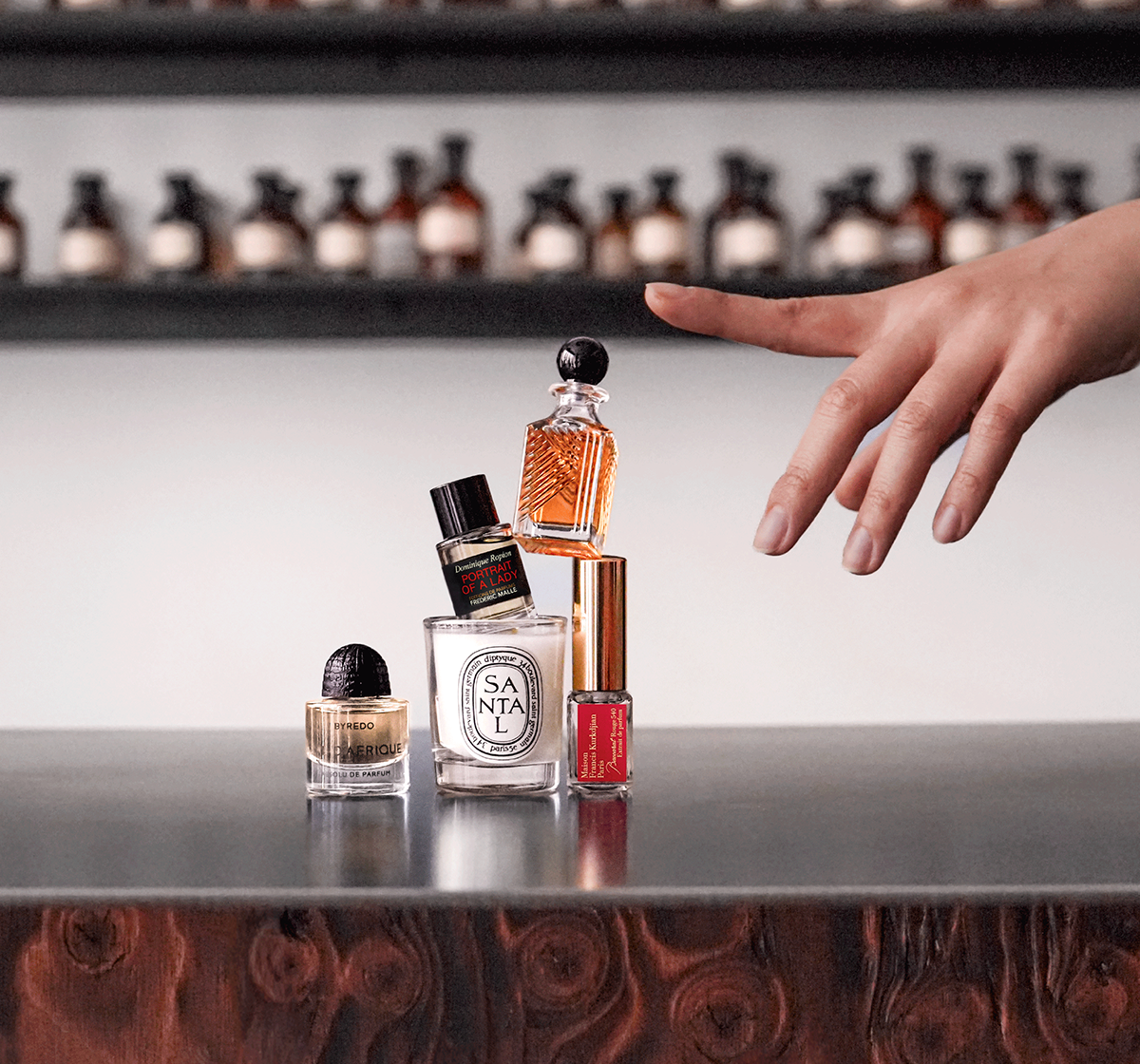
In an industry where the creator of a fragrance was routinely kept anonymous - Malle introduced a different model. He called himself an editor, not a perfumer. His role was to commission, guide, and publish; Portrait of a Lady by Dominique Ropion, L’Eau d’Hiver by Jean-Claude Ellena, Musc Ravageur by Maurice Roucel. - Their names appear on the bottle alongside the Malle imprint, as they would on a book. This model changed how niche perfumery thought about authorship.
Diptyque offers another Parisian model. Born at 34 Boulevard Saint-Germain from the meeting of three founders, it turned travel, objects, drawing and scent into a single creative language. One makes the perfumer visible; the other turns a Saint-Germain-des-Prés address into an olfactory world. Orphéon is one of the most iconic scent of Paris, it captures the bar next door where the founders met friends, artists and musicians: tobacco, powder, wood and gin-tonic brightness, structured as a Saint-Germain-des-Prés atmosphere rather than nostalgia.
Spain: Rosendo Mateu
Signature, Memory and Mediterranean Craft
Spain appears through signature and inheritance.
Rosendo Mateu began his career in perfumery at fifteen, joining Puig in Barcelona as an apprentice. Over the following four decades, he became one of the most significant perfumers working in Spain — creating fragrances for Carolina Herrera, Paco Rabanne, Nina Ricci, and building much of Puig's olfactory identity.
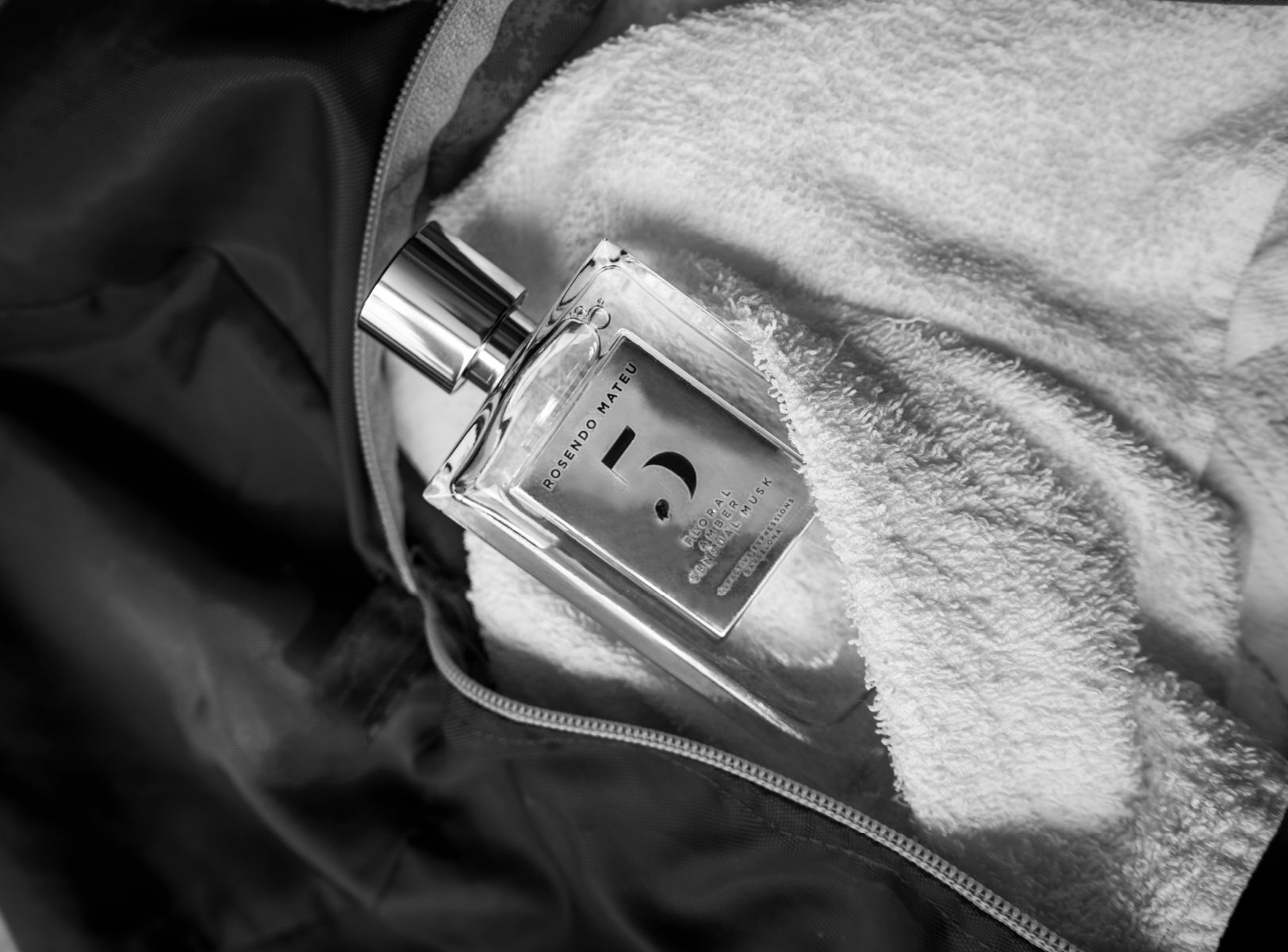
In 2014, Rosendo Mateu launched his own house: Rosendo Mateu Olfactive Expressions, working alongside his son Joan. Each fragrance named simply by number, paired with three key materials. No brand mythology, no elaborate narrative. Just the work, signed. N5, the bestseller of his numbered First Collection, is not named after a myth: the number simply marks its place in a series where each perfume is built around three main accords. N5 turns amber, florals and musk into a direct, sensual structure.
Carner Barcelona adds another Spanish reading. Founded by Sara and Joaquim Carner, heirs to a family of leather artisans, the house translates Catalan summers, Barcelona light, local craft and Mediterranean materials into scent. With Cuirs, Carner Barcelona pays tribute to Sara Carner’s family of leather artisans: workshops, tobacco, hand-worked hides and the texture of craft.
UK: Floris London
Jermyn Street, Grooming and British Codes
The UK is read through houses that turn tradition into structure.
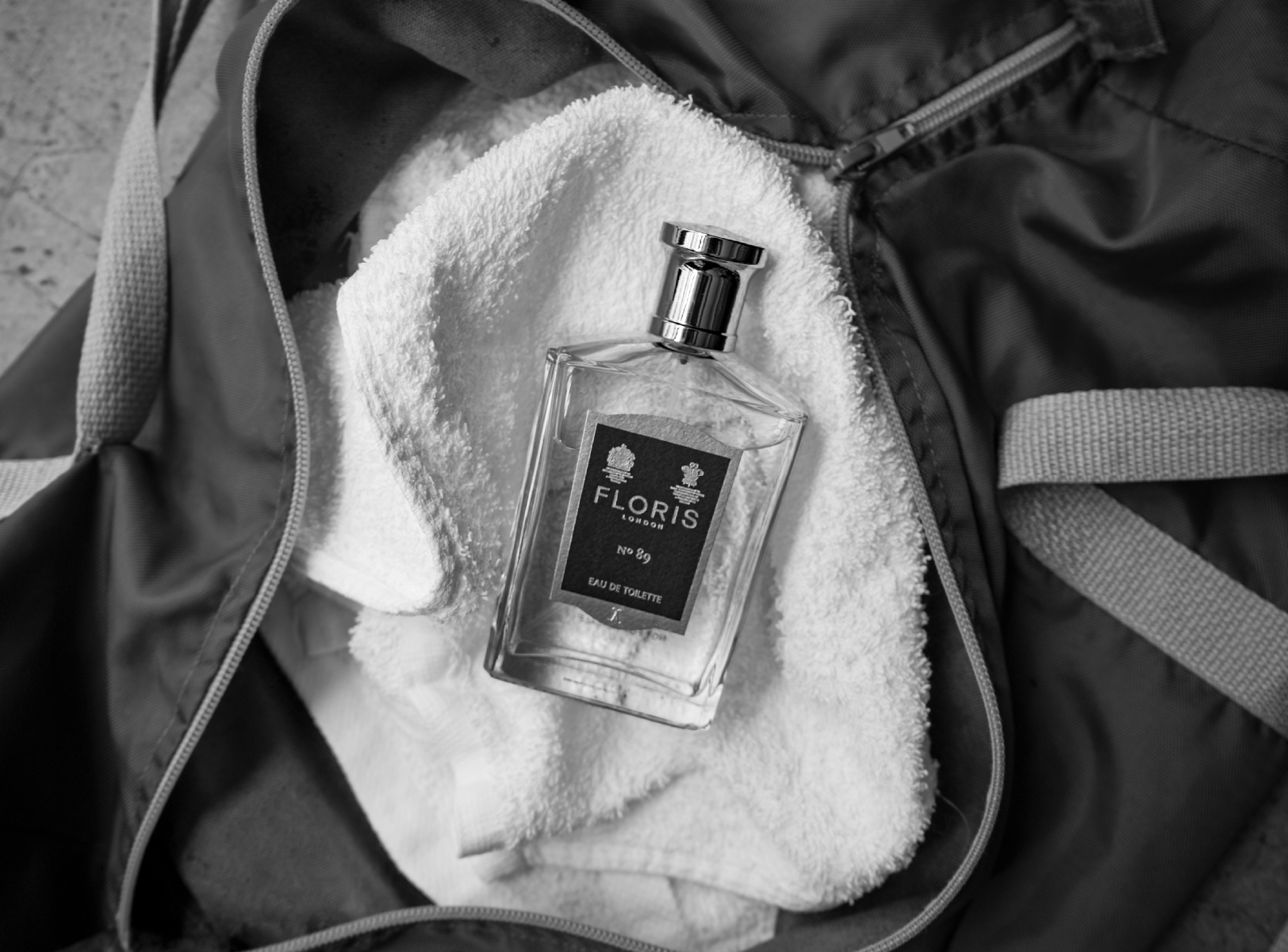
Floris was founded in 1730. Juan Famenias Floris, born in Minorca, opened a shop at 89 Jermyn Street in London's St. James's quarter — a location the house has never left. The ninth generation of the family runs the business today.
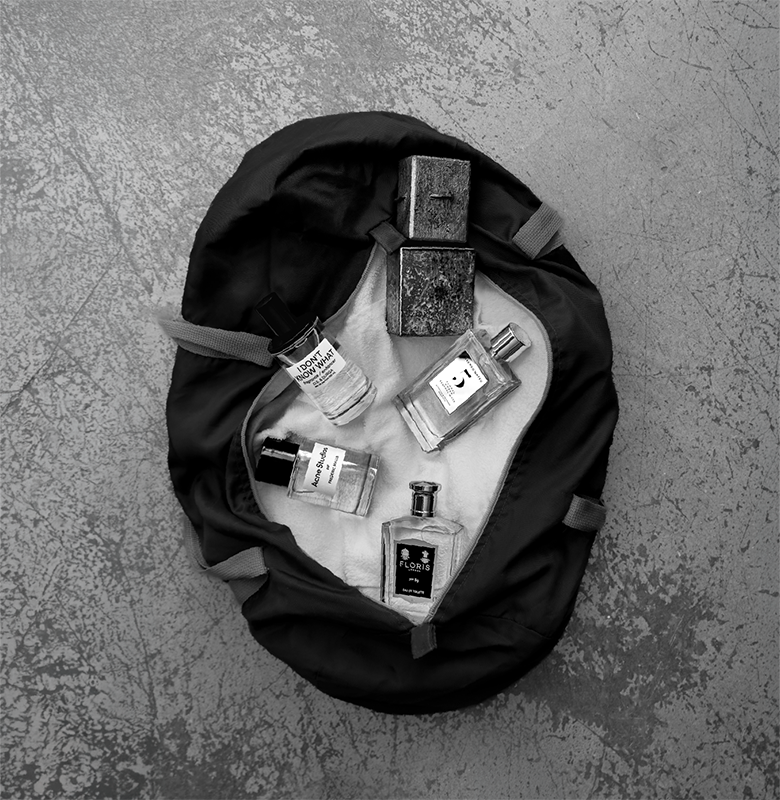
The house holds a Royal Warrant as Perfumer to the Crown, a distinction it has maintained across multiple monarchs. Its client list across the centuries has included Winston Churchill, Oscar Wilde, Marilyn Monroe, and Queen Elizabeth II. This history is not the product of marketing — it is the accumulated weight of being consistently good at one thing for a very long time. No. 89 remains its emblem, a tailored citrus-woody signature.
Penhaligon’s brings another London lineage: William Penhaligon was a Cornish barber who moved to London and worked near the Turkish baths on Jermyn Street. His first fragrance, Hammam Bouquet, came from that atmosphere of steam, grooming and gentlemen’s rituals. Later holder of a Royal Warrant, the house gave British perfumery one of its clearest codes with Blenheim Bouquet, created in 1902 for the Duke of Marlborough: lemon, aromatics, pine and woods, structured as British elegance without ornament.
Italy: Filippo Sorcinelli
Ritual and Sacred Craft
Italy is read through craft, ritual and continuity.
Filippo Sorcinelli is a cathedral organist. He trained at the Pontifical Institute of Sacred Music in Rome, performed in churches across Italy, and in 2001 founded LAVS — an atelier producing liturgical vestments for the Vatican, including robes worn at the inaugural mass of Pope Francis in 2013.
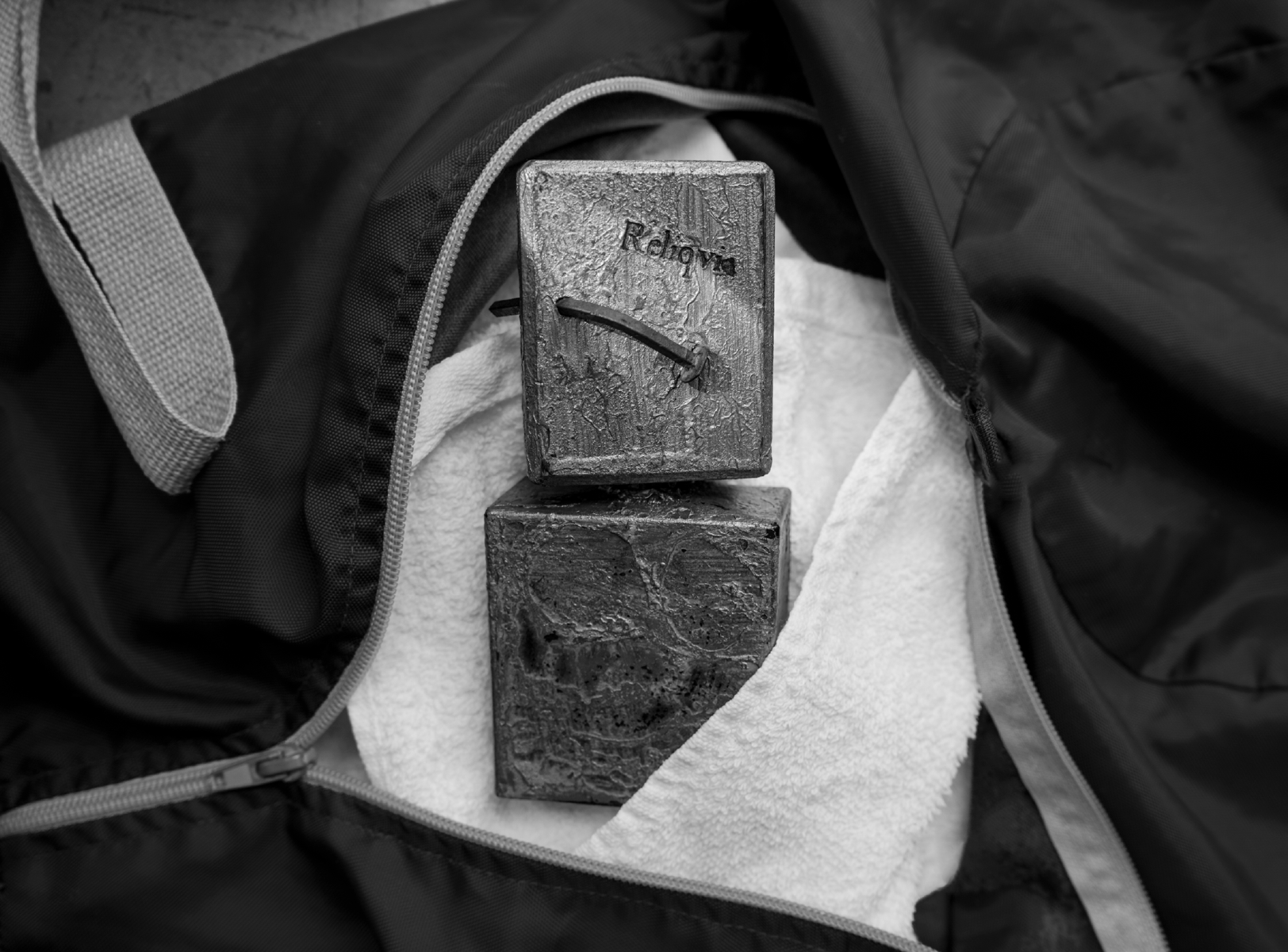
His entry into perfumery began as a practical gesture: he wanted to scent the boxes of vestments he was shipping to the Vatican. That gesture became the UNUM collection, launched in 2014. Reliqvia makes that sacred tension tangible: a perfume built around the idea of relic, absence and devotion, where incense, woods and shadow create an architectural rather than decorative intensity.
Santa Maria Novella offers the Florentine counterpoint. Founded in 1221 by Dominican friars, the house connects scent to monastic craft and herbal medicine. Its emblem is the Pot Pourri, created in 1612 from a secret recipe and still made from Tuscan herbs, leaves and flowers. More than a home fragrance, it dries and concentrates the Florentine landscape, turning place into scent long before perfume became a luxury code.
What These Five Houses Have in Common
This is the richness of niche perfumery: not one style, one origin or one rule, but many ways to give scent structure, memory and intention. Each house selected by Nose belongs to that richness — and helps us understand why fragrance still matters.
Explore the full selection from each of these houses — or use our diagnostic tool to find the fragrance that speaks to you, wherever you're from.