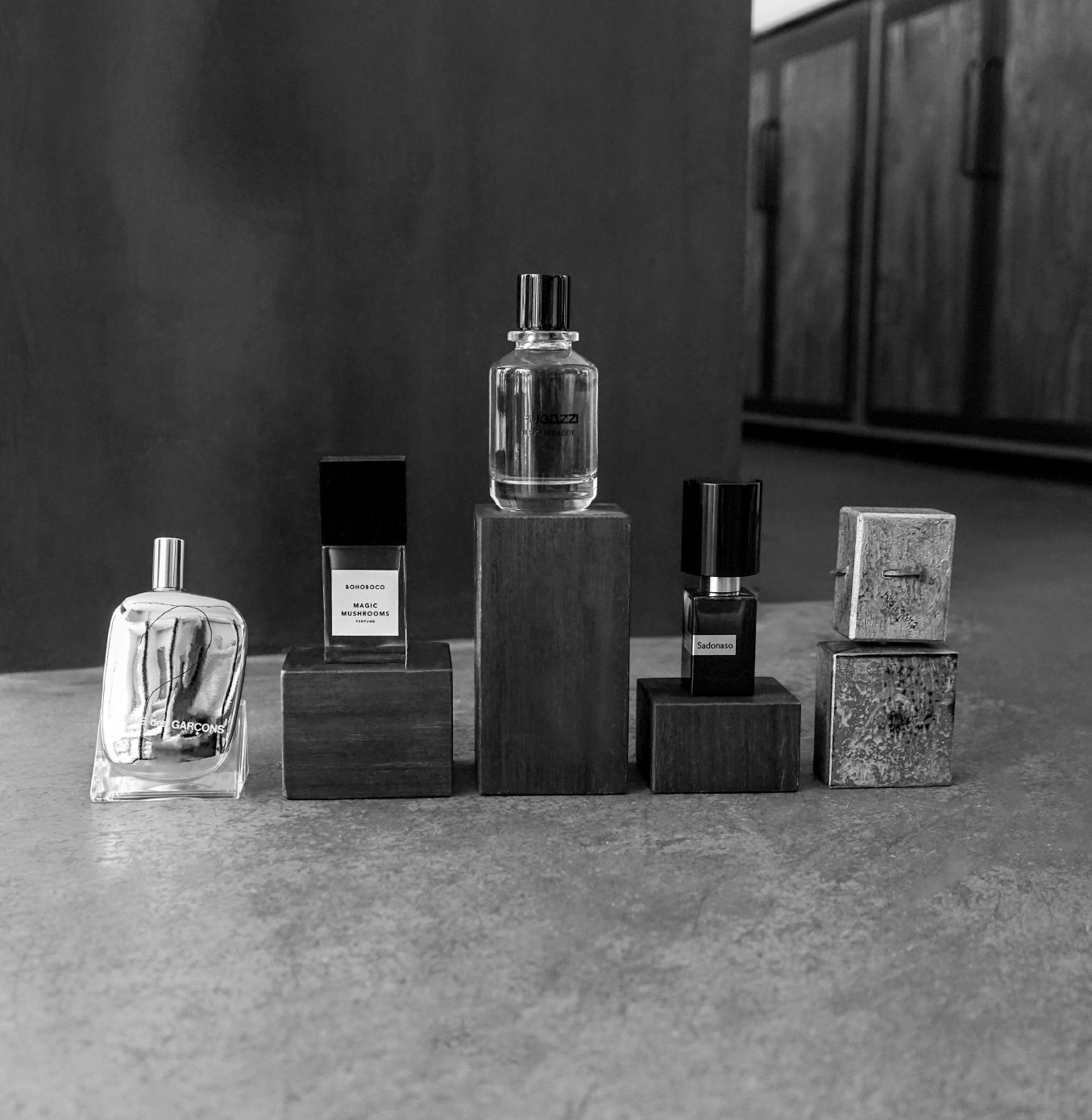
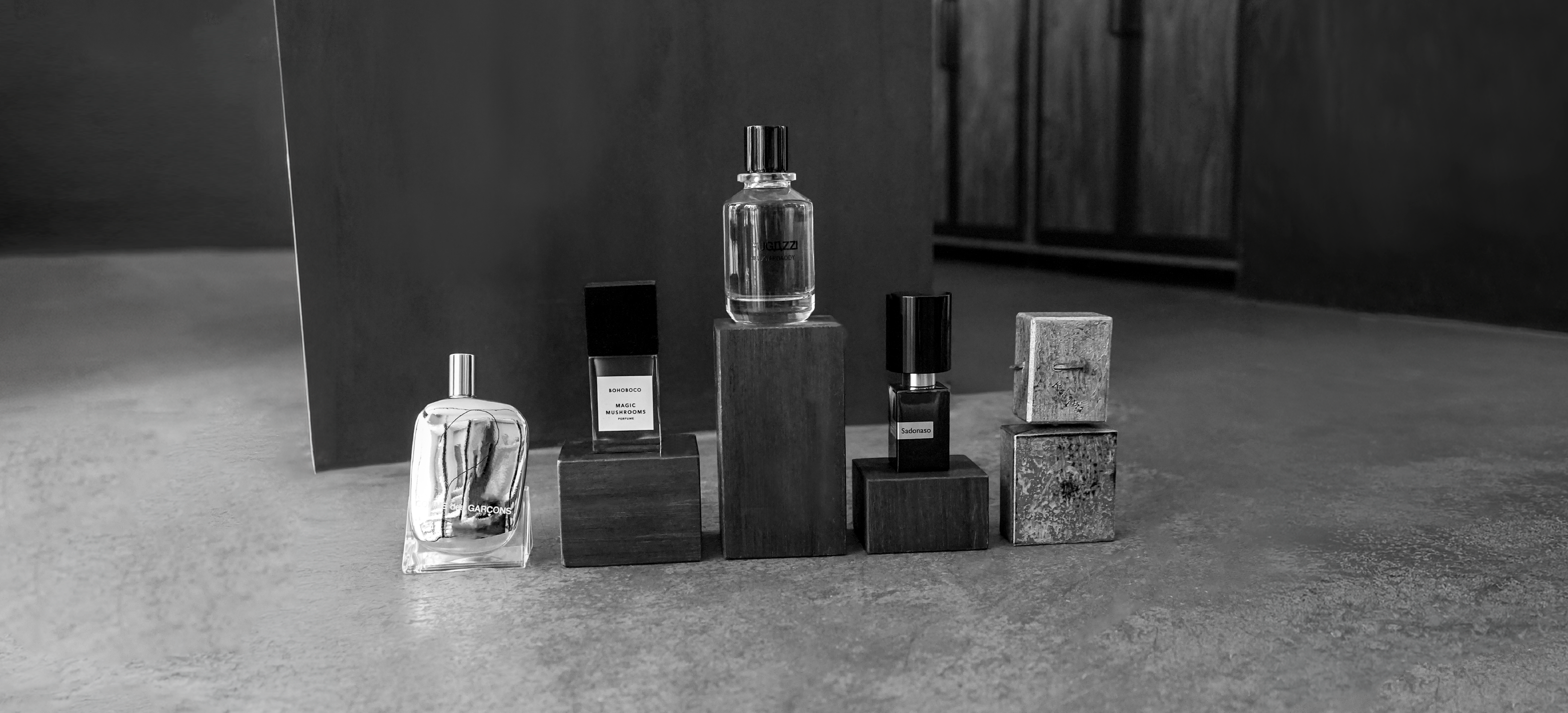
Some perfumes are designed to be worn. Others are designed to be read. Over the past three decades, a small group of houses has treated fragrance less as a seductive accessory than as a conceptual object — a sculpted idea, sometimes a provocation, where the name on the bottle operates as the first sentence of a story the nose is invited to finish.
In conceptual perfumery, the title is not packaging. It is a key. Sometimes it announces the composition with disarming literalness — a coffee accord called Coffee, a mushroom note called Magic Mushrooms. Sometimes it does the opposite, staging a deliberate tension between word and scent that produces irony, unease, or surprise. Either way, the gesture is the same: the perfume is positioned as a cultural statement, not a flattering signature.
The territory was largely opened by Comme des Garçons in the late 1990s. Under Rei Kawakubo — whose work in fashion had already taught a generation that beauty could live inside asymmetry, deconstruction and the unfinished — and Christian Astuguevieille, the house's long-time creative director, the brand applied to fragrance the same logic it had applied to clothes: take the conventions apart and see what survives. The result was the now-canonical idea of anti-perfume. With perfumers such as Mark Buxton, Comme des Garçons introduced notes that classical perfumery had ruled inadmissible — ink, tar, photocopier toner, hot metal, asphalt — and made them not only wearable, but desirable.
Astuguevieille, who passed away earlier this year, is one of the quiet architects of conceptual perfumery. Today, this approach inspires a new generation of creators, each bringing their singular voice — among them Nasomatto, Bohoboco, Fugazzi and Filippo Sorcinelli, whom we explore below.
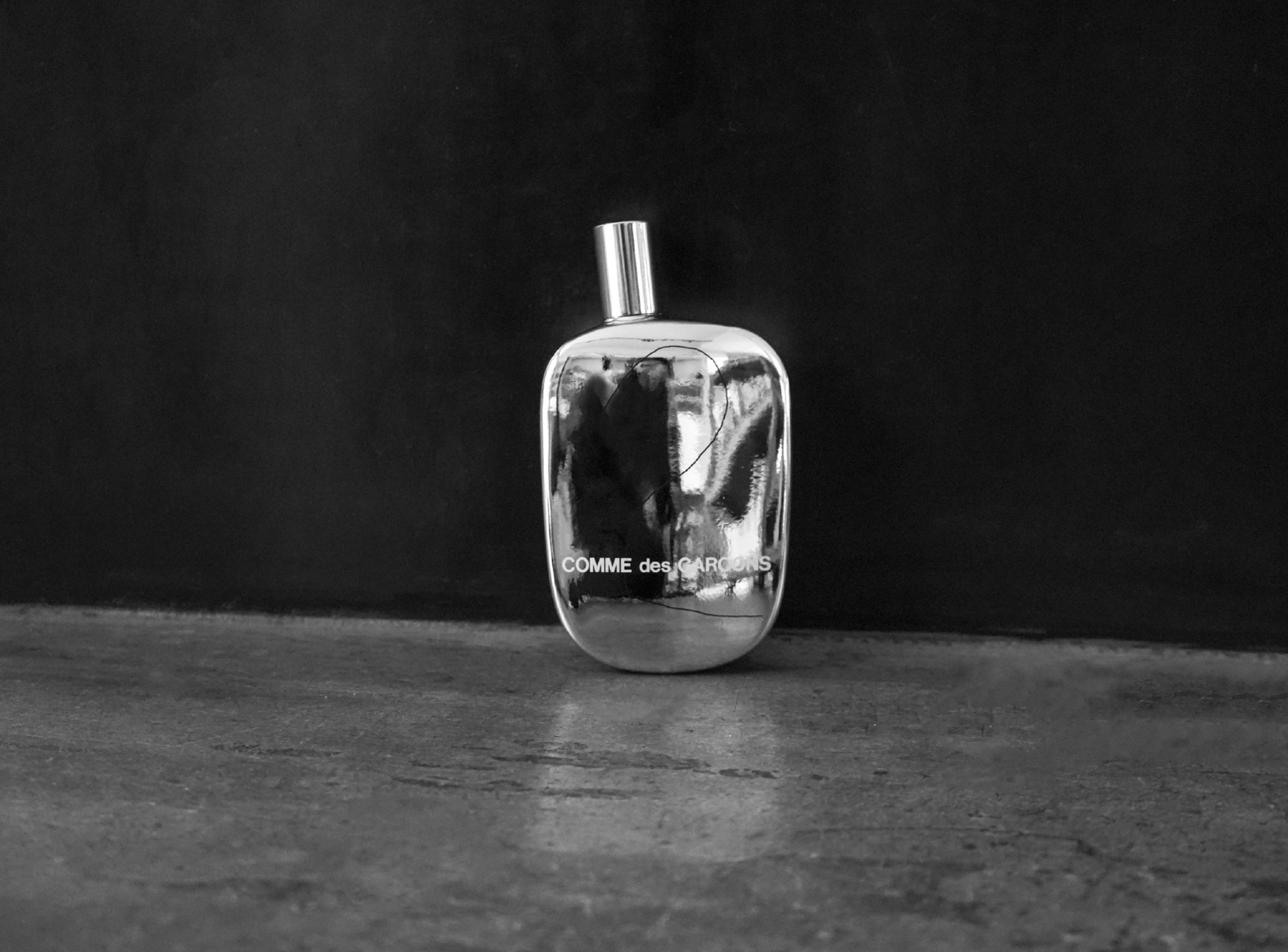
Comme des Garçons — 2
The original silver manifesto
The fragrance that codified the idea of anti-perfume. Launched in the late 1990s under Rei Kawakubo and Christian Astuguevieille, Comme des Garçons 2 — the so-called "silver" edition — operates entirely on tension : natural against synthetic, purity against imperfection, body against abstraction. With perfumer Mark Buxton, it became one of the first widely distributed scents to admit "non-perfumery" facets — ink, metal, a cold mineral quality — into the bottle. Difficult to categorize, immediately recognizable, it remains the textbook example of perfume as cultural statement rather than seductive accessory.
discover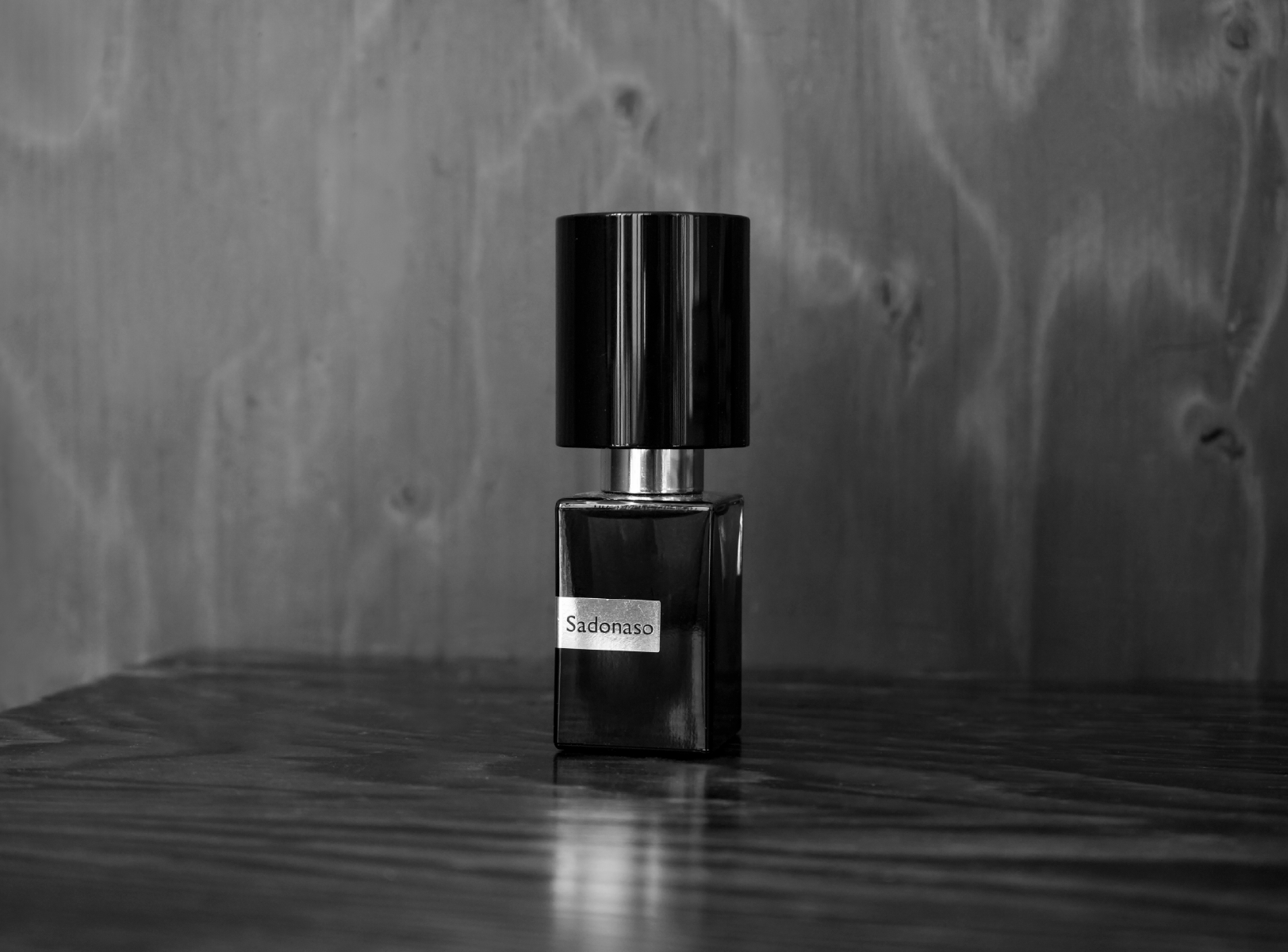
Sadonaso by Nasomatto
Pleasure stripped of pretense
Nasomatto has built its reputation on minimal bottles, cryptic names and maximal compositions — fragrances designed as concentrated ideas rather than commercial signatures. Sadonaso pushes this logic into the territory of unfiltered sensuality. A title that fuses sadism and the house's own name announces the intention : no decoration, no apology. Inside, coffee opens onto a heart of musks, sandalwood and tobacco, before settling into amber, tonka and openly animalic notes. The result is oriental, musky, animal — a study of voluptuousness treated as a subject, not a seduction tactic.
discover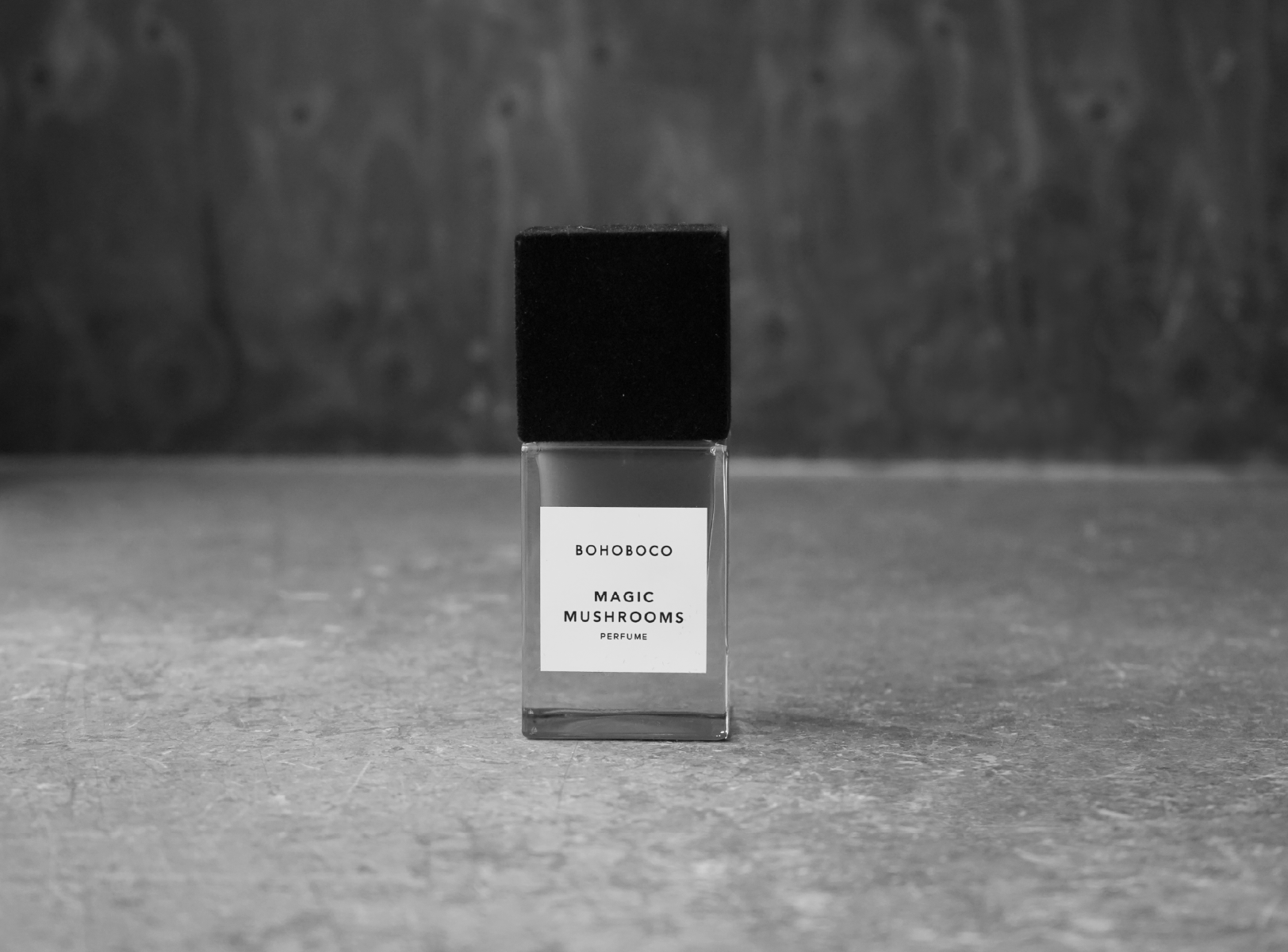
Magic Mushrooms by Bohoboco
A trip bottled as fragrance.
Bohoboco approaches perfume the way a designer approaches an object : as a contained concept, named without detour. Magic Mushrooms takes its title literally and turns altered perception into an olfactive composition. Grapefruit, cardamom and cypress resin open bright and disorienting, before a heart of blackcurrant, hemp and davana introduces the central mushroom accord — earthy, slightly hallucinatory, deliberately uncomfortable in the best way. Patchouli, vetiver and moss ground the trip. A hesperidic woody- spicy structure built to question what a "wearable" note is supposed to smell like.
discover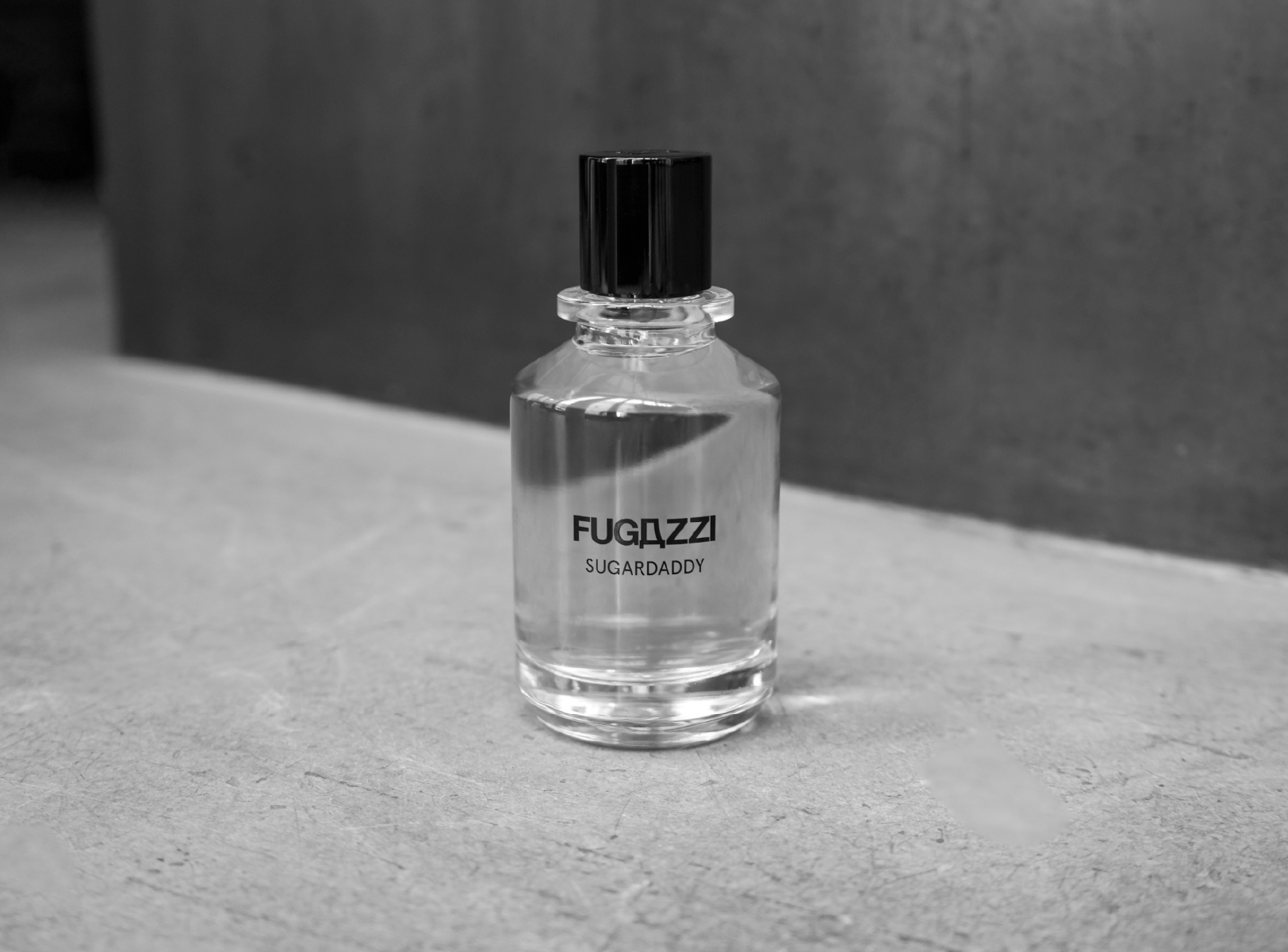
Sugardaddy by Fugazzi
Sweetness with a sharp tongue.
Fugazzi works on the friction between name and content — titles that provoke, compositions that seduce. Sugardaddy plays exactly that game : a charged, knowingly transgressive name placed on a gourmand fragrance dedicated to "generations free to be and to think." Bergamot and mandarin open fresh and fruity, before a heart of caramel, blackcurrant and jasmine reveals the gourmand intention. Ambergris, cashmere wood and clove close on something warmer, almost amber. The concept lies in the gap : a sweet, voluptuous scent worn under a name that refuses to be polite.
discover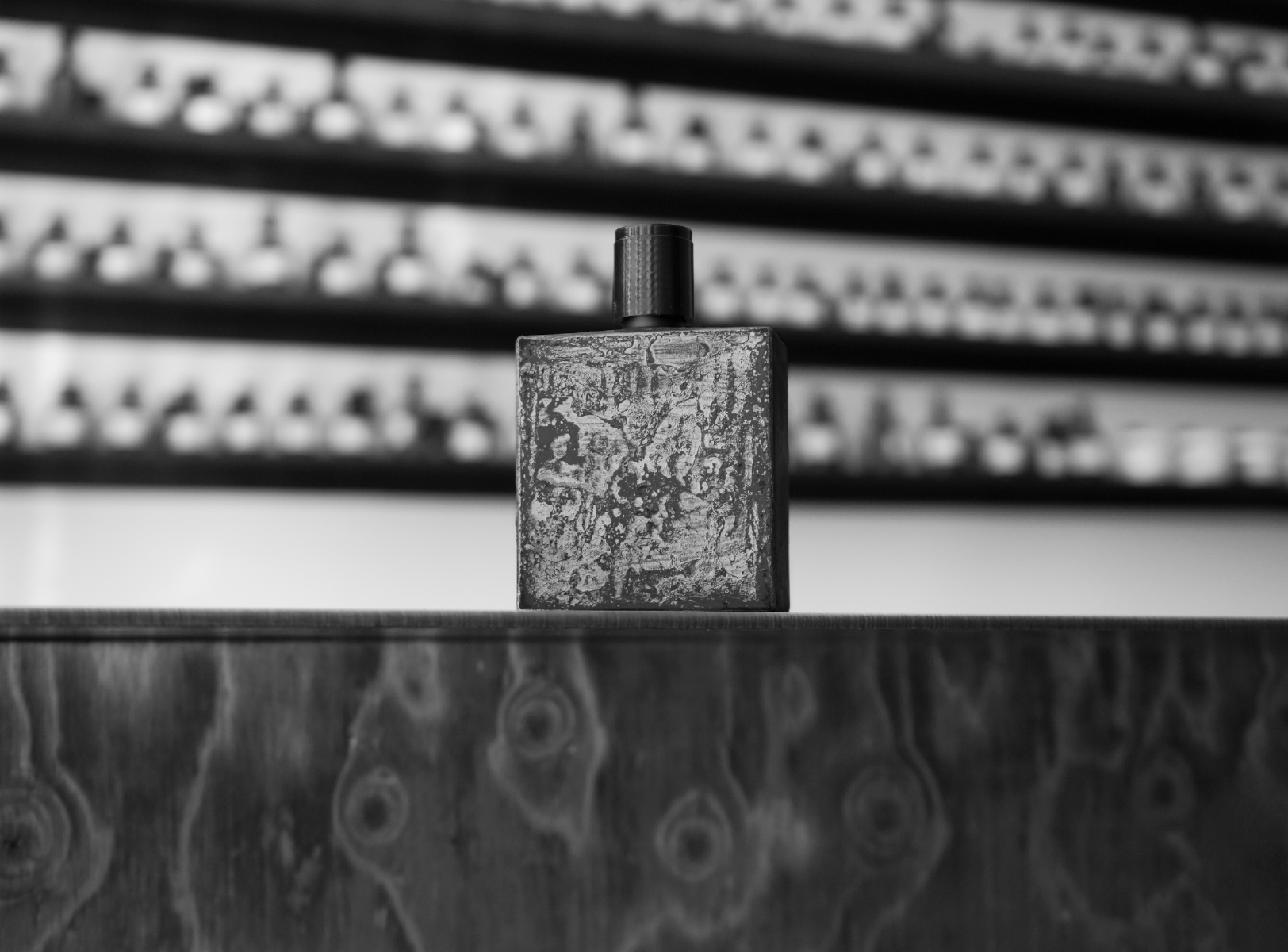
Reliqvia by Filippo Sorcinelli
The scent of what remains.
Filippo Sorcinelli — organist, photographer, designer of liturgical vestments — composes perfumes as extensions of his sacred imagery. Reliqvia, from the Latin for "what remains", is built as an olfactive
pilgrimage to the church of La Croix in Senigallia, guardian of relics of the Passion. Aldehydes, blackcurrant and bitter orange evoke the Renaissance facade ; elemi, lentisk and nutmeg the threshold and wooden walls ; amyris, cashmere wood and clove the incense rising toward the coffered ceiling. A woody-incense composition that treats fragrance as architecture, memory and devotion — perfume as relic itself.


